
Road Trip All 3 National Parks in Washington State
With nearly 100 different ecosystems, Washington is one of the most diverse and interesting states to visit. Its national parks – Olympic, Mount Rainier, and the North Cascades, are three of Washington’s top destinations. This blog covers how to see all the best sights at each park in one trip.
You’ll ideally need ten days to thoroughly explore each park, but cutting it down to a seven-day trip is possible.
Know what you’re looking for? Skip to a section by clicking on a link below.
Driving between national parks
7+ day Washington national parks itinerary
When to visit
Late June
Lushest scenery
If you’re visiting in late spring or early July, start your trip by visiting the Olympic National Park first. Most of the park is made up of lowland rainforests and beaches which are accessible year-round.
High-elevation hikes in places like Hurricane Ridge, the North Cascades, and Mount Rainier aren’t accessible until mid-July. Visit the latter two parks after mid-July for the best experience.

July to September
Best weather and hiking
Western Washington has the best weather between mid-July and September. This is also when hikes at higher elevations in the mountains become accessible. If you want to prioritize hiking, this is the best time to visit.
However, this timeframe does overlap with the Pacific Northwest’s wildfire season. Wildfires in British Columbia and the surrounding states affect Washington’s air quality anytime between July and September. When and where wildfires occur is unpredictable and changes every year.

October
Best for fall colors
October is also beautiful time to visit to see fall colors, but the larches in the North Cascades draw heavy crowds, and Mount Rainier is often covered in clouds the closer you get to November. With these conditions and unpredictable weather, it’s best to visit these parks earlier in fall. If your visit edges into October, save the Olympic National Park for last – it’s beautiful, although a bit rainy, in fall.

What about the winter months?
Although the Olympics are great to visit year-round, Washington’s other national parks are more seasonal. The North Cascades close each year around mid-November, and a trip to Rainier in the winter will likely leave you disappointed. Rainier also has seasonal road closures (only the Nisqually entrance to Paradise is open) and the mountain is usually covered in clouds. Getting a view of the mountain is unlikely during the winter months.

April in the Olympics
Getting to Washington
The Seattle-Tacoma International Airport (SEA) is the nearest largest airport to all three national parks, located roughly two hours away from each.
If you’re on the hunt for a great flight deal, research flying in or out of the Portland International Airport (PDX) or the Vancouver International Airport (YVR) as well. It would be inconvenient to start and end your trip at either of these airports, but they would work well going one way.
Park breakdowns
All three of Washington’s national parks are very drive-heavy parks. They’re large, spread out, and have limited lodging surrounding the parks. Spend more time in any of the parks to spend less time driving, and more time exploring.
Olympic National Park
Plan on spending at least three days in the Olympics. If you can spend more time there, that’s even better because it takes half a day to reach the Olympic Peninsula from Seattle. Our Olympic National Park itinerary includes plans for up to seven days throughout the park.

Elk near Lake Quinault
Mount Rainier National Park
It’s possible to see a good amount of Mount Rainier National Park in one day. However, if you’d like to see more than one area in the park or tackle a longer hike, you'll need to spend two or more days here.
Note, if you’re visiting Rainier between Memorial Day (late May) and Labor Day (early September) you’ll need to account for timed entry reservations. More on that here.

North Cascades National Park
The North Cascades is another park you could speed through in a day. If you’d like to explore longer hikes, it's worth an extra day or more. Check out everywhere you should stop along Highway 20 in the North Cascades National Park here.

Driving between national parks
Plan on taking half a day to drive between each park. Due to heavy traffic avoid driving on I-5 and I-405 between Everett and Olympia as much as possible, as our routes suggest. The map below shows where traffic typically backs up.

Getting back to Seattle
If you’re flying in and out of Seattle, plan on being near SeaTac, the day you fly out. Check to see how long it will take you to drive to the airport using Google Maps’ arrival time feature. The farther from SeaTac you are, the wider this range will be. Plan on it taking the longer time frame to reach SeaTac, just in case.
Parking passes
National Park Pass
You’ll want to purchase the America the Beautiful Pass to cover all your national park entrance fees. It’s good for one year from the month of purchase and it doubles as a National Forest Pass.
Mount Rainier timed entry reservations
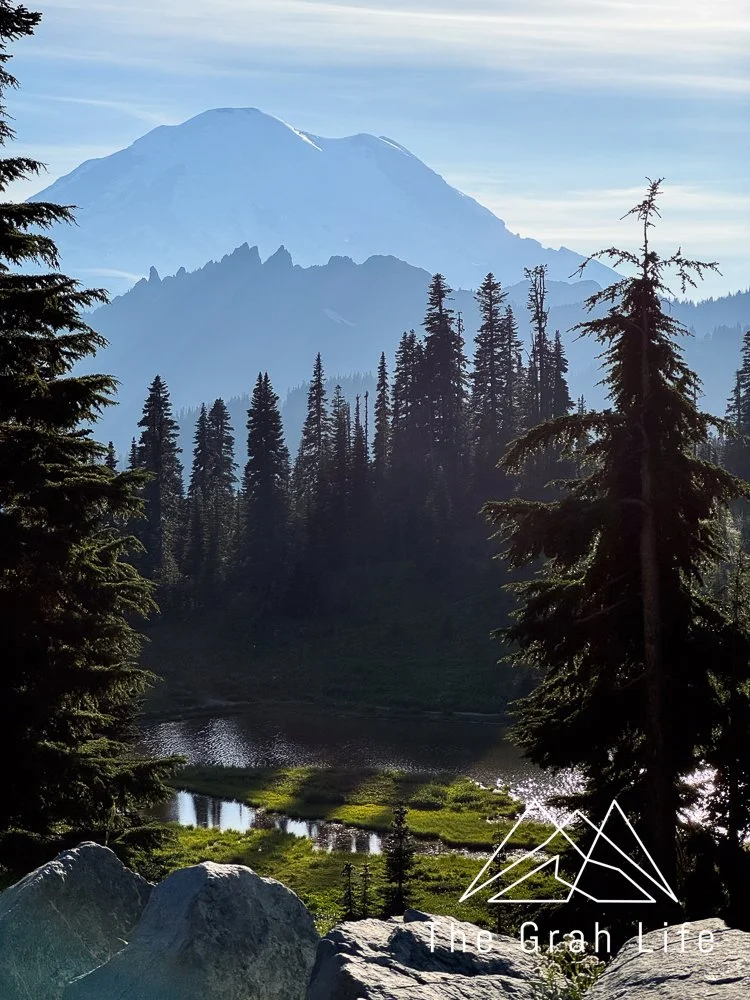
If you’re visiting between Memorial Day and Labor Day, you’ll need to account for Mount Rainier’s timed entry reservations. You can either go into the park before 7 a.m. (this is what we recommend), after 3 p.m., or purchase a timed entry reservation. The North Cascades and Olympics do not have timed entry reservations.
Discover Pass
The Discover Pass covers parking in all of Washington’s state parks. They’re $12 for a day pass or $35 for the annual pass. This is the only pass that covers state parks and they can be purchased on sight at larger state parks.

7+ day Washington national parks itinerary
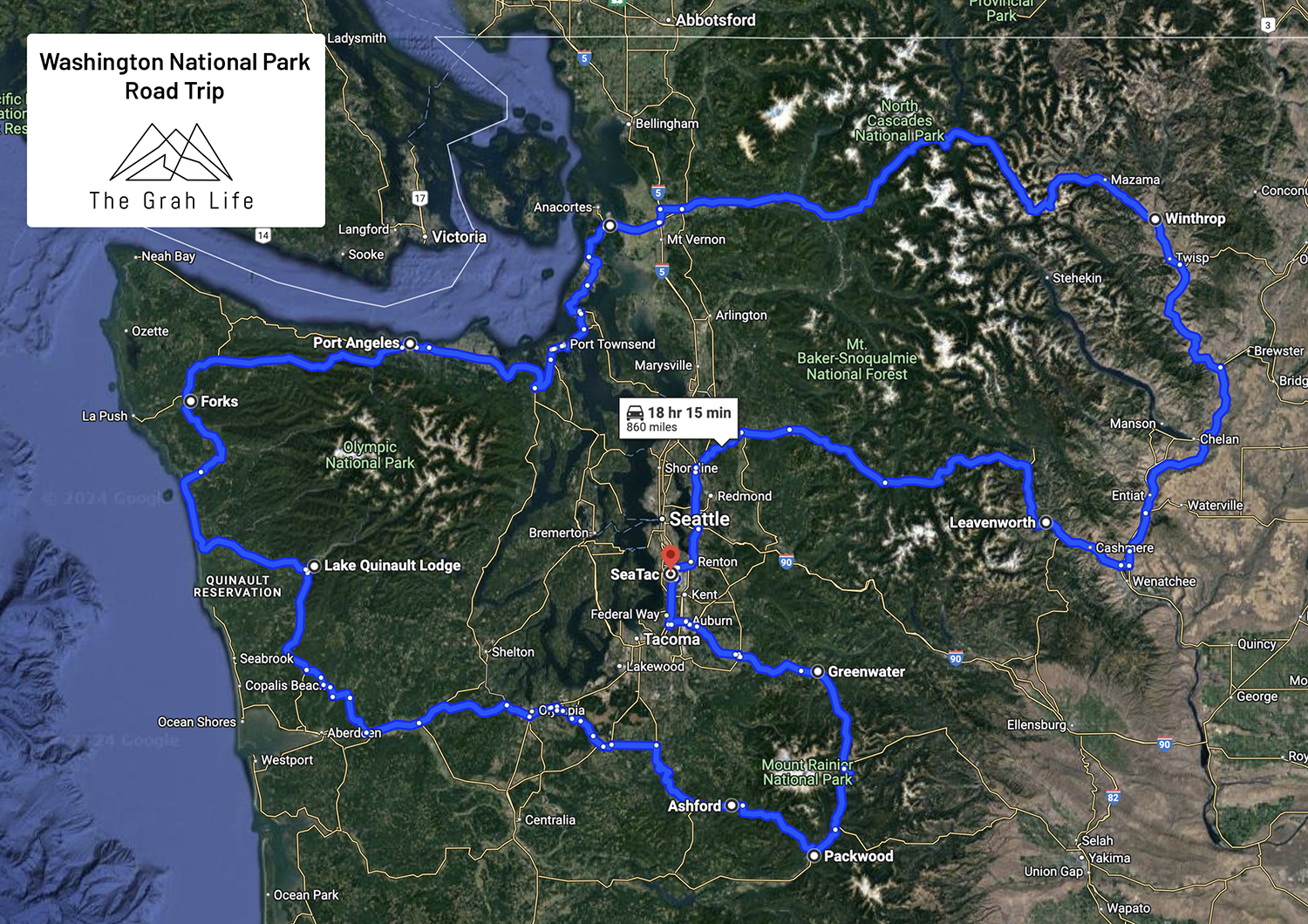
This is the most efficient route to explore all three of Washington’s national parks. We've designed this itinerary to be traveled between July and September, but you can adjust the order you visit the parks if you’re visiting in the spring or fall, as mentioned above. The itinerary here is an outline for your trip. You’ll find detailed information on each national park in the linked blogs.
Itinerary breakdown
Day 1: Arrive in Seattle begin driving the Cascade Loop
Day 2-3: North Cascades National Park
Day 4: Take a ferry to the Olympics
Day 5-6: Olympic National Park
Day 7: Drive to Mount Rainier
Day 8-9: Mount Rainier National Park
Day 10: Depart from Seattle

Day 1: Drive the Cascade Loop to Leavenworth
Drive over Highway 2 on the Stevens Pass Greenway for a scenic drive to Leavenworth. You’ll have optional stops at waterfalls, rivers, and a lake.
A half day in Leavenworth is enough time to explore town, but extend your stay if you’re interested in hiking to Lake Colchuck or doing the thru hike of the Enchantments – a challenging 20-mile hike.

Lake Colchuck

Views from Sun Mountain Lodge in Winthrop

Day 4: Ferry to the Olympics
Enjoy the drive down Whidbey Island to the ferry terminal at Fort Casey. You’ll arrive on the Olympic Peninsula in Port Townsend. Stop for a meal here, or, at the very least, drive through the Victorian-themed town before heading to Port Angeles for the night.

Day 5-6: Olympic National Park
Head to Forks from Port Angeles and follow our Olympic National Park itinerary to see all the best sights along the way.
Day 7: Drive to Mount Rainier
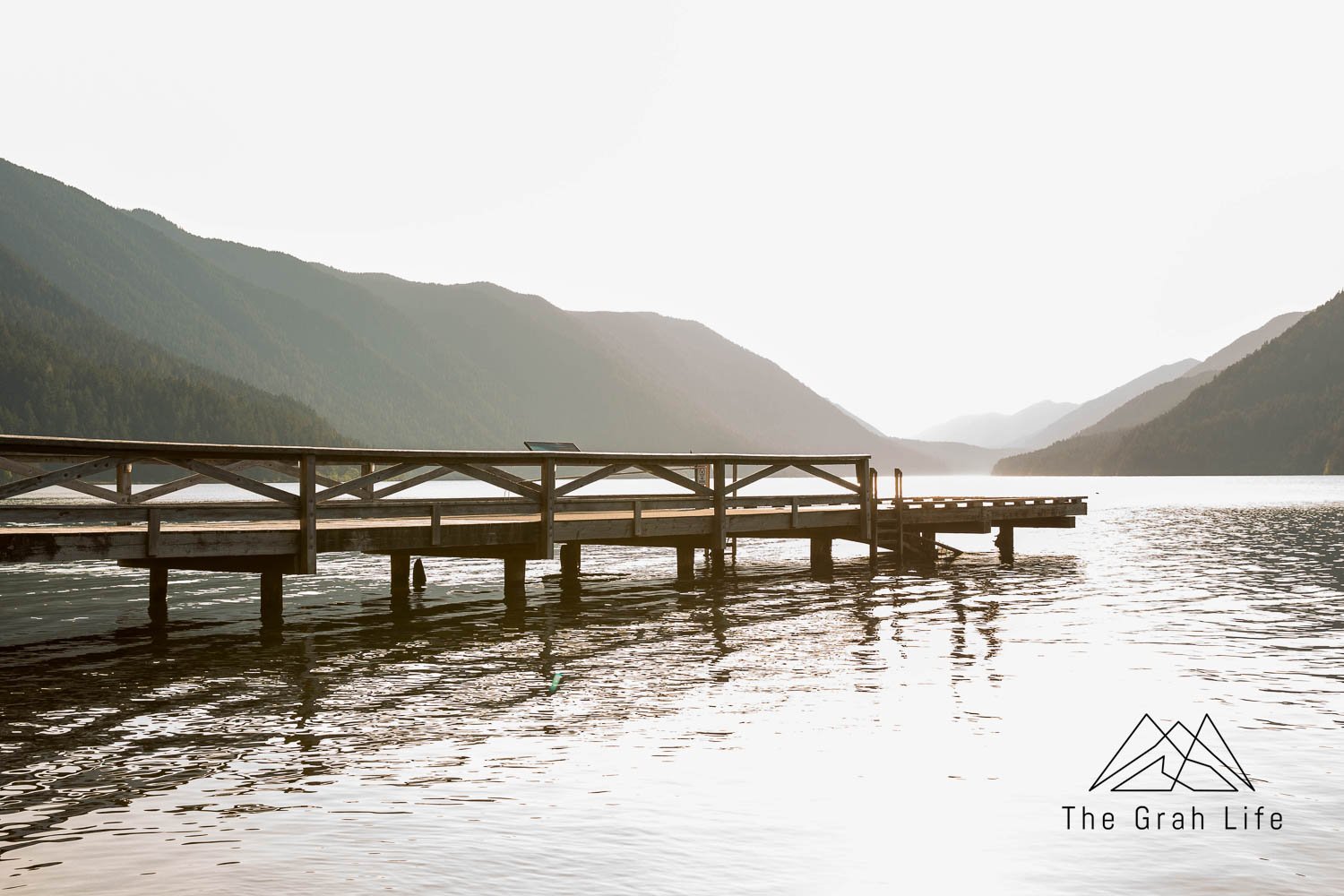
Depart from Forks following the coastline to see the park’s best beaches, and sights at Lake Quinault before arriving at the base of Mount Rainier. If you have more time, split this day in two.
Be warned, the drive between Montesano and Eatonville is rather dull compared to what you’ll have seen in Washington by now. Brighten up your drive by calling in an order at Ranch House BBQ after you pass by Elma. Their BBQ is incredible, but there is always a 30+ minute wait to be seated. Don’t wait, place an order to go.

Day 8-9: Mount Rainier National Park
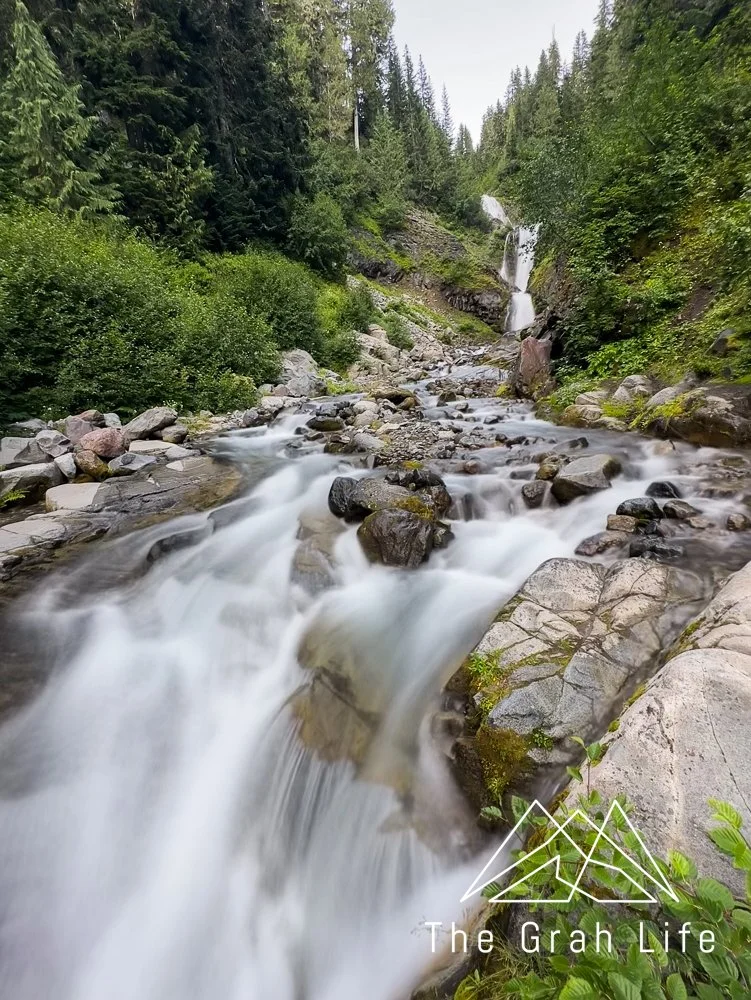
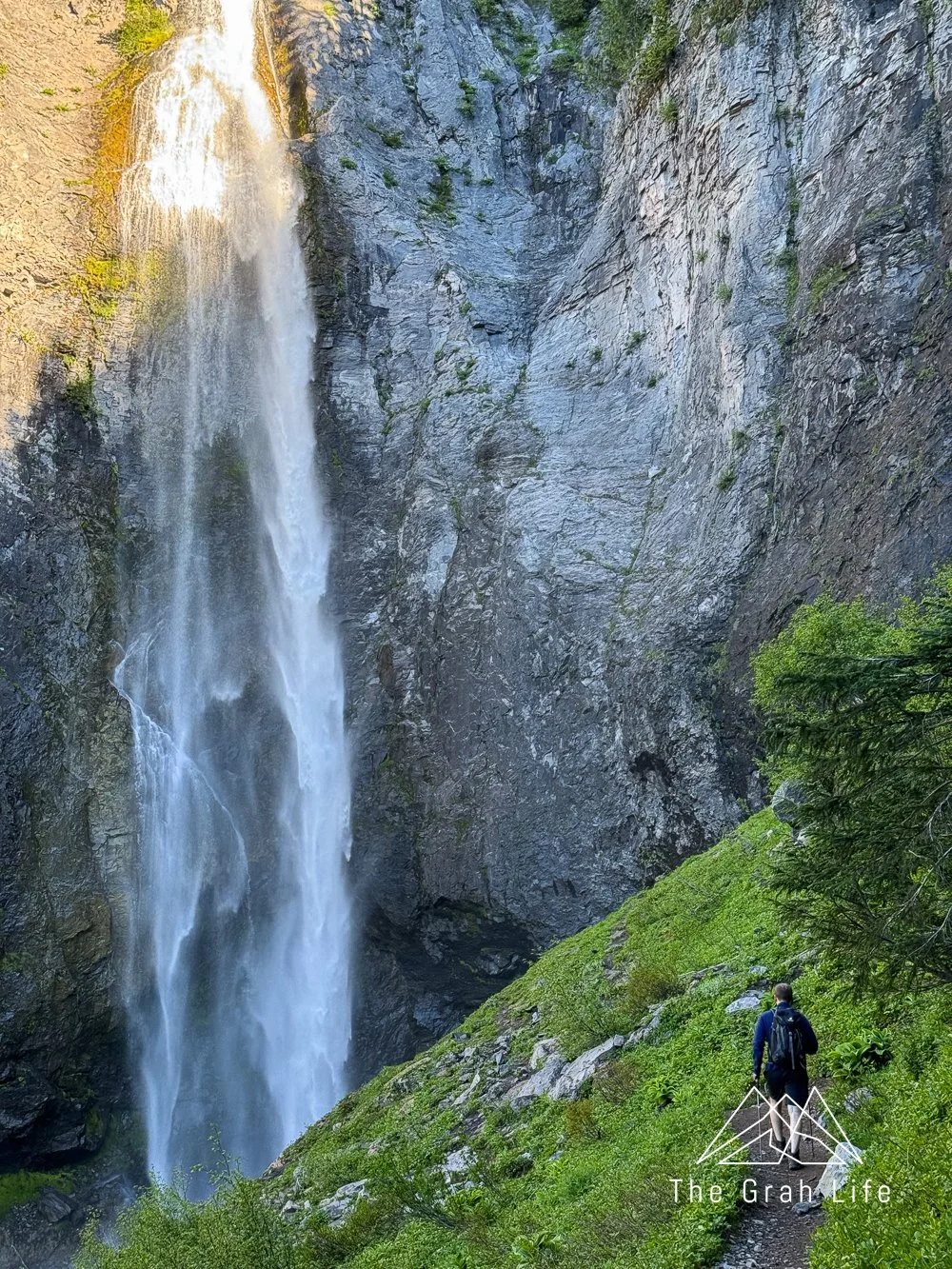
You’ll see waterfalls, wildflowers, and stunning views of Mount Rainier during your time in the park. Use our Mount Rainier itinerary to ensure you don’t miss anything.


Day 10: Depart from SeaTac
Lodging details
Day 1: One night in Leavenworth
Day 2: One night in Winthrop
Day 3: One night near Rockport or Anacortes
Day 4: One night in Port Angeles
Day 5-6: Two nights in Forks
Day 7: One night in Ashford
Day 8: One night in Packwood
Day 9: One night in Greenwater or Seattle
Day 10: Depart from SeaTac
Lodging recommendations
Olympics:
Rainier:
How to modify this itinerary
You have less time
If you have less than ten days to visit Washington, we suggest subtracting one day from each national park as needed. You can do this trip in as little as seven days.
What if you don’t have time to visit all three parks?
If you only have time to visit two national parks in Washington, we suggest deciding which two parks to visit by these factors: The scenery you’d like to see most or the season of your visit.
If you’re hoping for a diverse range of scenery, combine a visit to the Olympic National Park with either Mount Rainier or the North Cascades to get a huge variety of scenery. However, it’s worth noting that the Olympics can easily be made into a longer trip by itself any time of year. If you can visit Washington again, consider saving it for a future date.

If you’re visiting between mid-July and September, this is when the North Cascades and Rainier are best. Since their best visiting seasons are much shorter, it makes sense to check off these two national parks from your list during these months. The scenery will be a bit less varied, but ideal for mountain lovers and hikers.
You have more time
You can either extend your time in each national park (check out our Washington National Park itineraries here) or explore great towns and areas between the parks. Below are a few more recommendations.
Extend your stay near the North Cascades
Leavenworth
We’ve already recommended staying one day in Leavenworth, but it’s a great place to stick around and explore. The town is full of shops, the surrounding area is beautiful, and there are a ton of outdoor activities here. If you’re feeling up for an extreme hike, thru hike the Enchantments. If that’s too much, hike to Colchuck Lake or float the Wenatchee River for a more relaxing day.

Enchantments thru hike
Stehekin
Stehekin is located on the southernmost edge of the North Cascades National Park. It’s only accessible by ferry, foot, or plane so it’s very remote. Once there, unplug, bike around town, and grab goodies from the bakery. This blog describes how you can backpack there but it also has ferry details and activities to do in town.

Mount Baker Wilderness
If you love the look of the North Cascade mountains, consider adding on a side trip to the Mount Baker Wilderness. The Mount Baker Highway is one of Washington’s most beautiful drives with incredible hiking opportunities. Stay in Glacier to be near the Mount Baker Wilderness or make a long drive from Rockport or Anacortes.

San Juan Islands
The San Juan Islands aren’t far from the North Cascades, either. Reserve your ferry ride from Anacortes in advance and enjoy the best of island life in the PNW. This is the best place to go on whale-watching tours in Washington.
Extend your stay near the Olympic National Park
Port Townsend
Port Townsend is an adorable Victorian-themed town on the northwest edge of the Olympic Peninsula. If you’ll be ferrying to or from the North Cascades to the Olympics, this is where you’ll ferry from. Stay here to explore a historic World War II Fort or take a bioluminescent kayaking tour with the Olympic Outdoor Center in Port Gamble.

Fort Worden
Victoria, BC
Bring your passport to ferry to Victoria, BC from the Olympic Peninsula. The town is walkable, but bringing your car would allow you to explore more of the island.
Extend your stay near Mount Rainier
Mount St. Helens
Did you know Mount St. Helens is the Cascades’ most active volcano!? The area is full of interesting hikes, activities, and caves. Our favorite thing to do though? Summiting Helens! It’s possible to hike to the top (by permit) without any technical climbing experience.

View of Mount Adams from the climb on Mount St. Helens
Oregon
From Packwood, you’re two hours and thirty minutes from Portland. Check out the waterfall corridor on the Columbia River Gorge or head to the coast to visit Oregon’s best beach towns.

Extend your stay in Seattle
Of course, you can also extend your time in Seattle. If you haven’t visited Pike Place Market yet, we think our DIY food tour is a must-do.
What to pack
You can our Pacific Northwest packing list here. You’ll notice we emphasize having a raincoat and layers. Raincoats are not only great for the rain, but also the wind. Weather can change very quickly in the mountains and on the coast, so having layers that are easy to add or remove is essential.
If you’ll be hiking, check out what we pack for hiking here. We recommend prioritizing getting a good pair of waterproof boots. Muddy trails are common!
Leave no trace
Washington's national parks have highly sensitive ecosystems so it’s important to follow the Leave No Trace Principles throughout your visit. While hiking, stay on the trails, don’t cut switchbacks (this erodes the trails), and pack out anything you pack in. Thanks for helping keep Washington beautiful for years to come!
Search the blog for more adventures! Try searching for topics such as “hiking”, “waterfalls”, or “Oregon”.