
The Only Pacific Northwest Packing List You Need
Packing for Pacific Northwest can feel very intimidating because the weather can vary greatly and change rapidly. It's going to feel like you need to pack for all types of weather. While this is generally true, the key to packing efficiently is focusing on bringing great layers – items of clothing you can quickly take on and off as the conditions change. This blog will help walk you through everything you need for each season.
Know what items you’re looking for? Click on a link below to skip to a section.
Disclosure: This post includes affiliate links with recommended lodging recommendations and hiking gear. We’ll receive a small portion of that sale if you click through and reserve lodging or purchase a product. You won’t be charged more, and we haven’t been paid by any of these retailers to share their information. These are all our genuine preferences.

Footwear
All seasons
Hiking boots
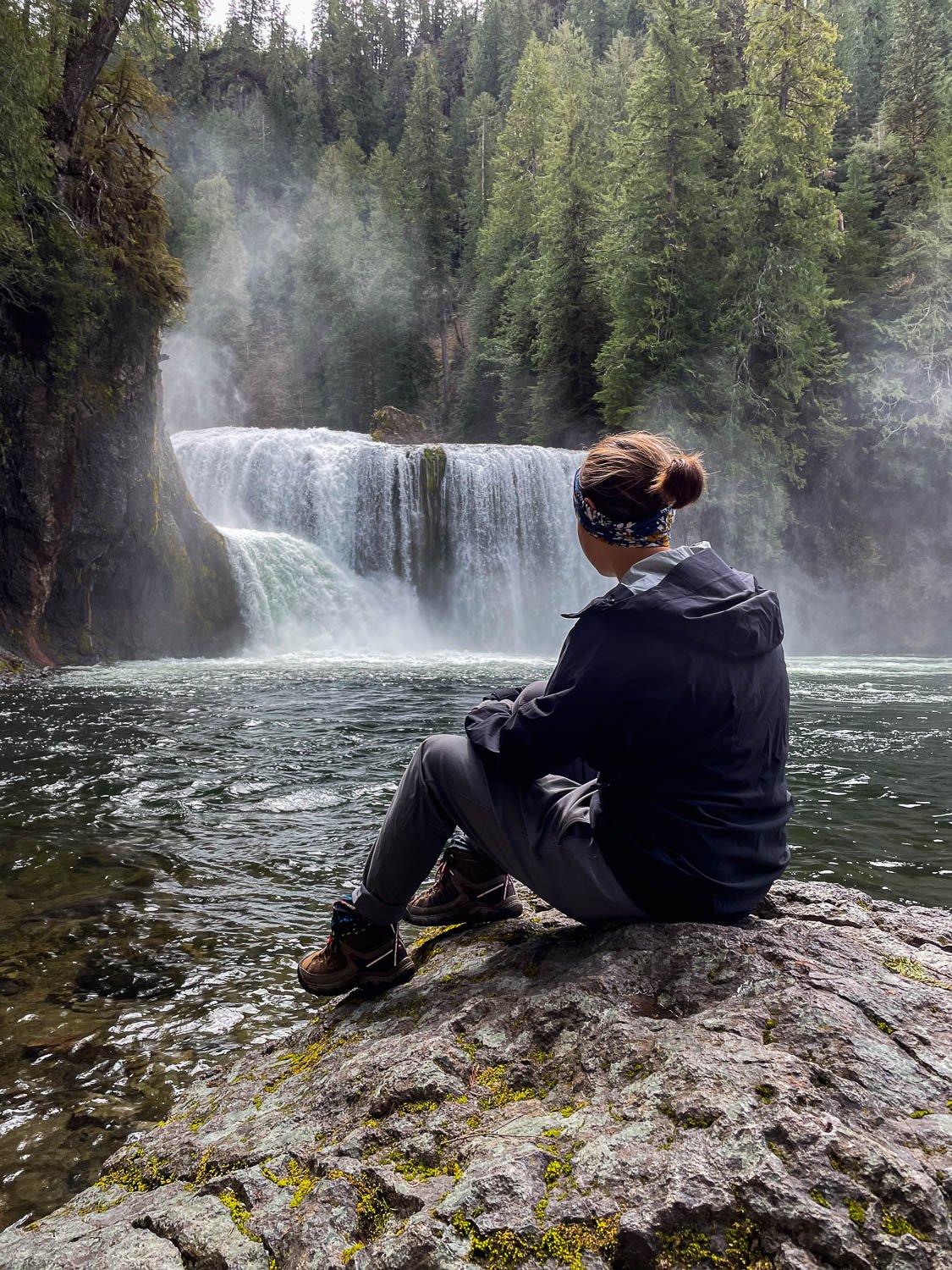
You’re going to want waterproof boots if you plan on hiking (even the shorter trails) — boots that can handle walking through shallow streams, stepping in puddles, hiking in the rain, and even on snow.
Unless you’re purchasing traditional leather boots, you shouldn’t have to “break in” your boots for them to feel great. Of course, you should wear them for a couple shorter hikes to figure out if they are right for you and how tying them will work best (check out this article on ways to tie boots to minimize hot points), but they should generally feel great from the get go.
We highly recommend going to REI to try on boots, but Meghann loves her Vasque boots, and Zach loves his Lowa’s.
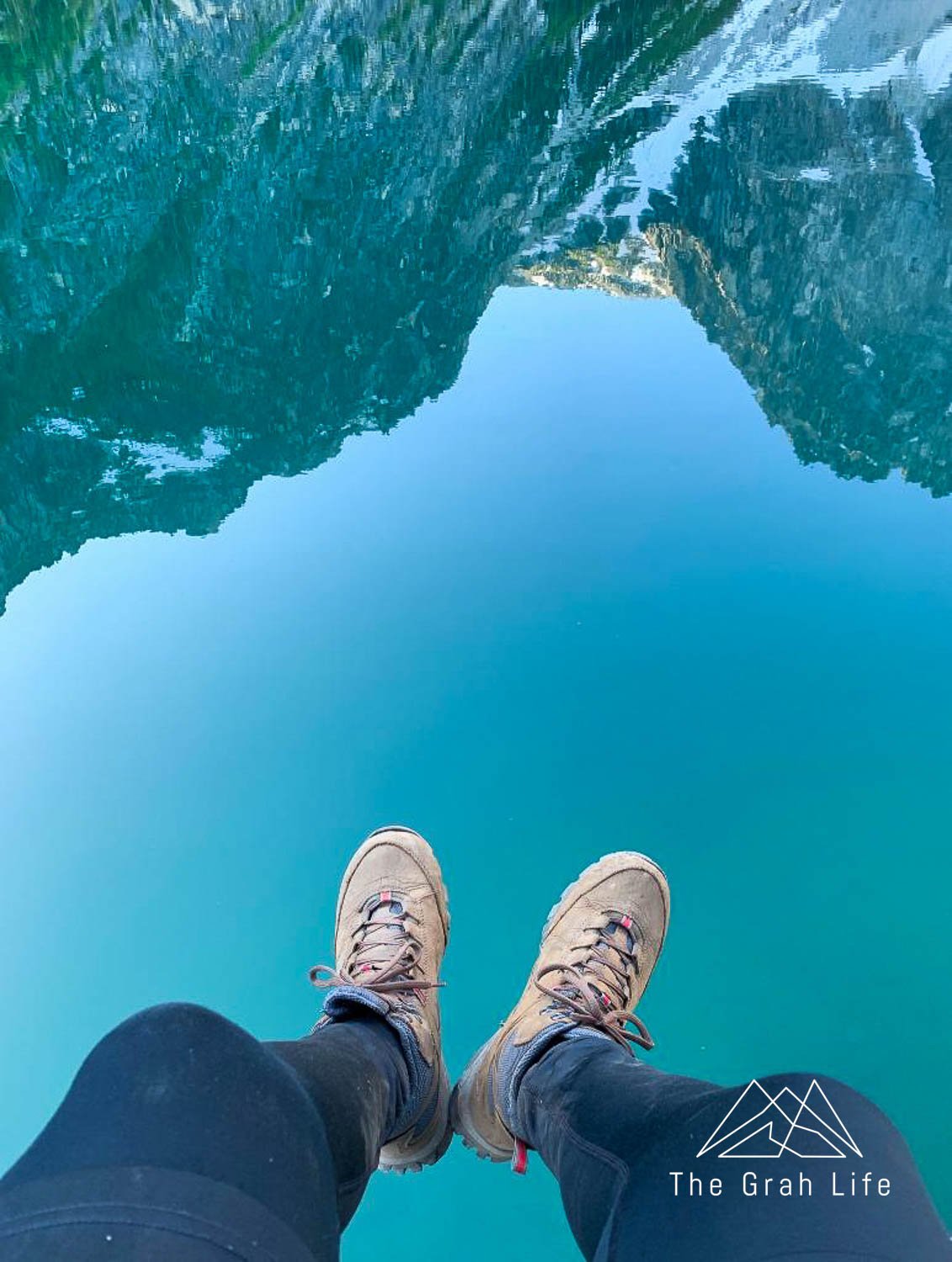

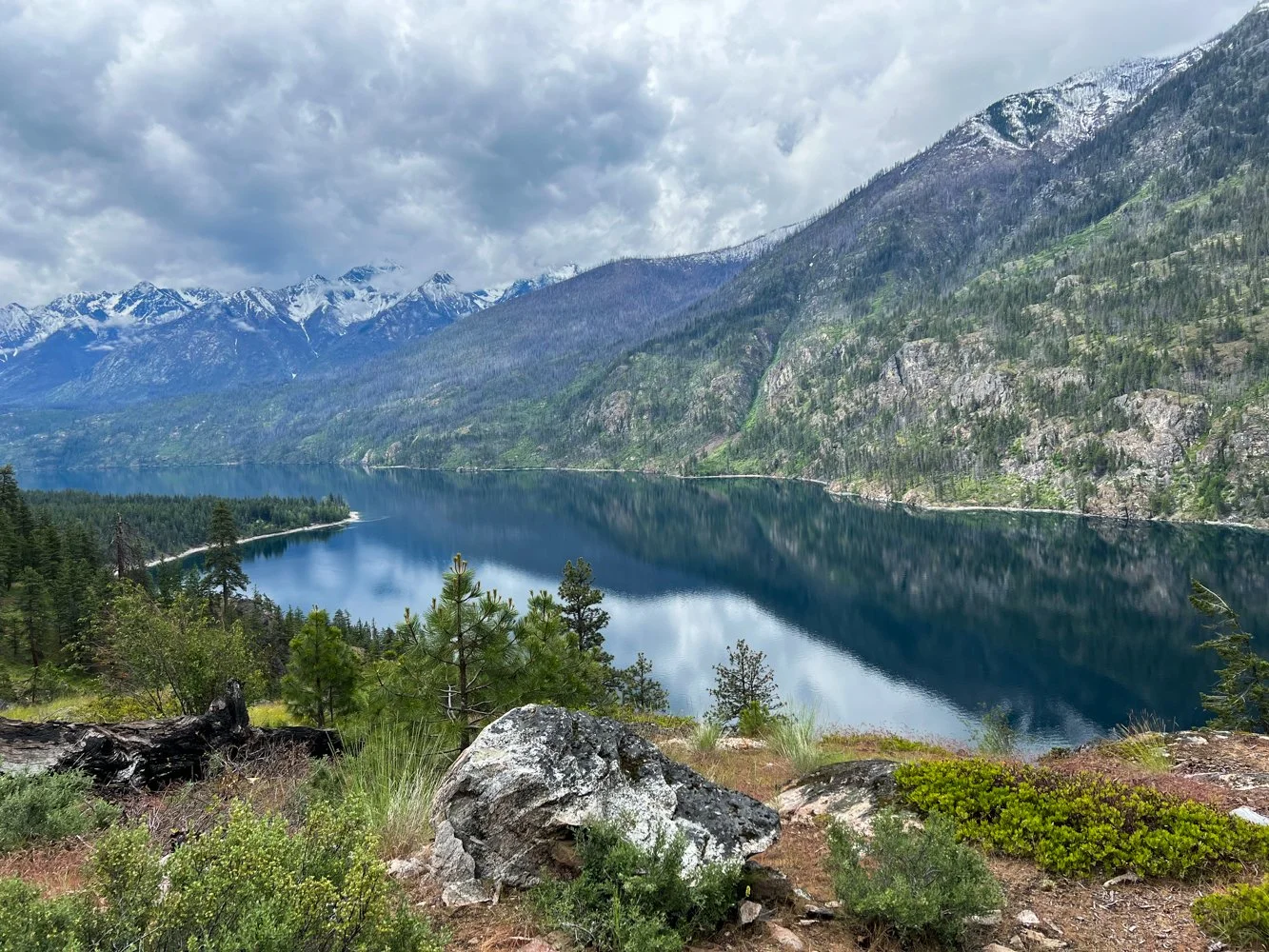
Late spring in the North Cascades


Outerwear
All seasons
Look for raincoats with pit zips — arm pit zippers or vents — to help moderate your temperature.
No raincoat is completely waterproof, so don’t get caught up in the lingo. Purchase a water resistant/waterproof coat from a reputable brand and you should be good!
Pro tip: Do not wash your waterproof gear like other laundry. Use this two-step Nikwax detergent instead and your gear will last much longer.
Ponchos work well in a pinch too
Fleece zip-ups (men’s/women’s)
These are a great insulating layer or worn by themselves.
Perfect for chilly summits, beaches, and mornings and evenings.
Hoodies are a great alternative

Cold weather
Bringing a warmer coat is a must between fall and spring. Choose to bring whichever of these coats fits your needs better.
Packable puffy coat (men’s/women’s)
Packable puffy coasts are great for hiking. They’re very warm but can fit into any bag.
These coats are great if you’re hitting the slopes to ski but are bulkier.

Accessories
Warm weather
Swimsuits
One of these large towels dries both of us off.


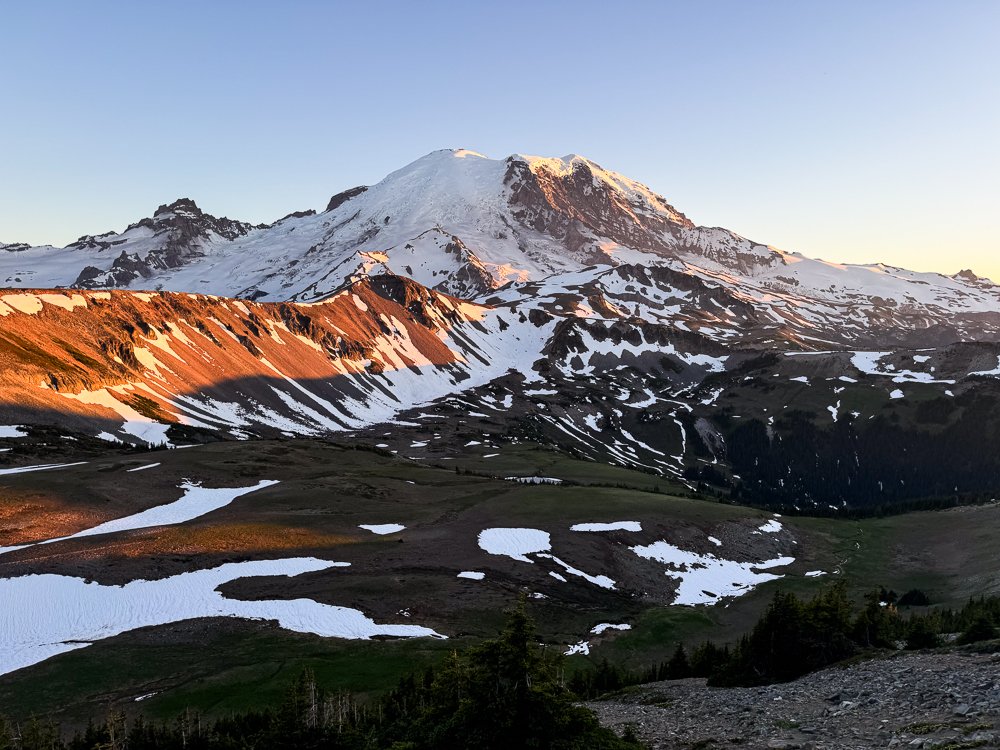
Chilly sunrise hike
Personal items
All seasons
Neutrogena Ultra Sheer Sunscreen
This sunscreen has the safest product rating for sunscreen on the EWG’s Skin Deep guide.
This balm has SPF so your lips don’t get burned
Prevents chaffing – you’ll spend a lot of time walking to explore the best of Pacific Northwest!
This is a game-changer for the women/trans/non-binary folk!! It allows you to go pee standing up. It’s great for hiking and using undesirable bathrooms.

Warm weather
We love this bug spray made of essential oils. We’ve found it to be just as effective as deet and it’s made from a local Pacific Northwest small business.

Hiking essentials
Hiking day pack (men’s/women’s)
These are our favorite day packs. They are so comfortable, large enough to fit anything you could need to carry for a hike, and have a built-in rain cover that is so easy to use.
These double as our carry-on items.
If you’ll be hiking up and down steep hills, trekking poles are a must. They’ll help disperse your weight, help to keep you from getting knee injuries and help you stay steady in variable terrain. We always have our poles on us!
We recommend having the ten essentials on you for all hikes.
Find everything we hike with in this blog.

Extras
The Pacific Northwest’s national parks have very few restaurants. We love packing snacks and meals in an ice chest to picnic whenever we need lunch.
Great for spotting wildlife and more compact than binoculars
Mount Rainier and Hurricane Ridge in the Olympics both require you to have chains in your vehicle to enter the park between November and April 1st (the Olympics) or until May 1st (Rainier)


Search the blog for more adventures! Try searching for topics such as “backpacking”, “waterfalls”, or “national parks”.