
Best activities in Slovenia
Slovenia is most well known for its scenic landscapes, historic sites, and compact size, making it easy to see a lot in a short amount of time. You can hike in Triglav National Park, visit medieval castles, tour cave systems, and explore small towns, all within a few hours’ drive.
This guide covers the best things to do in Slovenia. For a step-by-step route, check out our Slovenia road trip itinerary to see how we combined most of these activities into one trip.
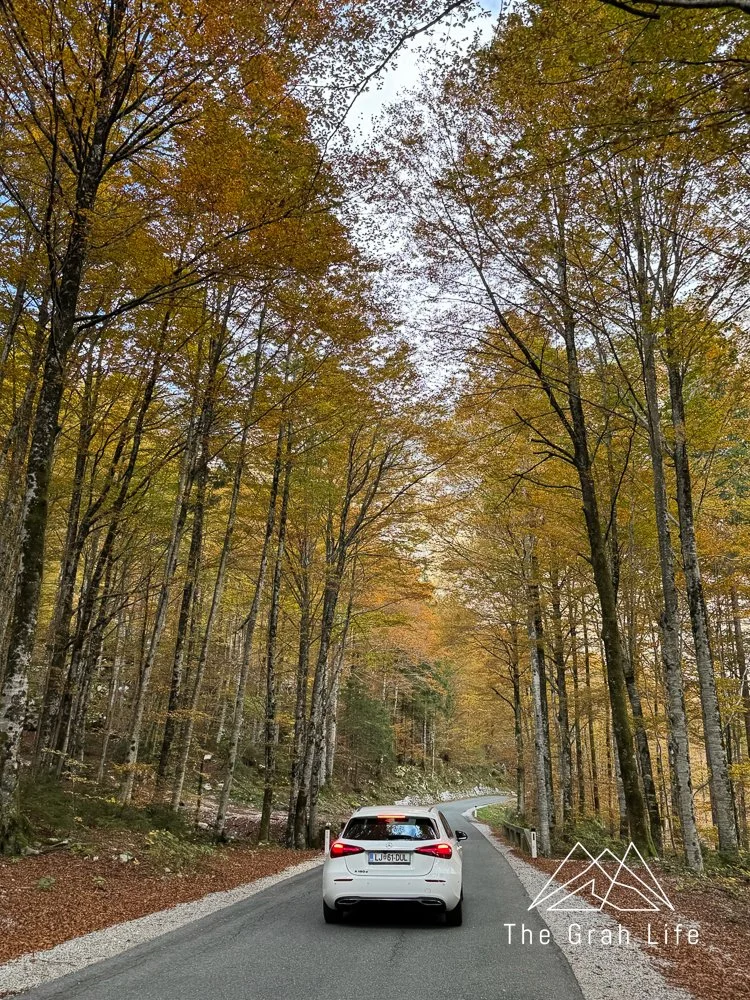
Triglav National Park
Triglav National Park spans across the Julian Alps in northwestern Slovenia. It’s the country’s only national park and is known for alpine lakes, rivers, mountains, and traditional villages. The park is large and diverse, offering water sports, paragliding, and hikes for all abilities.
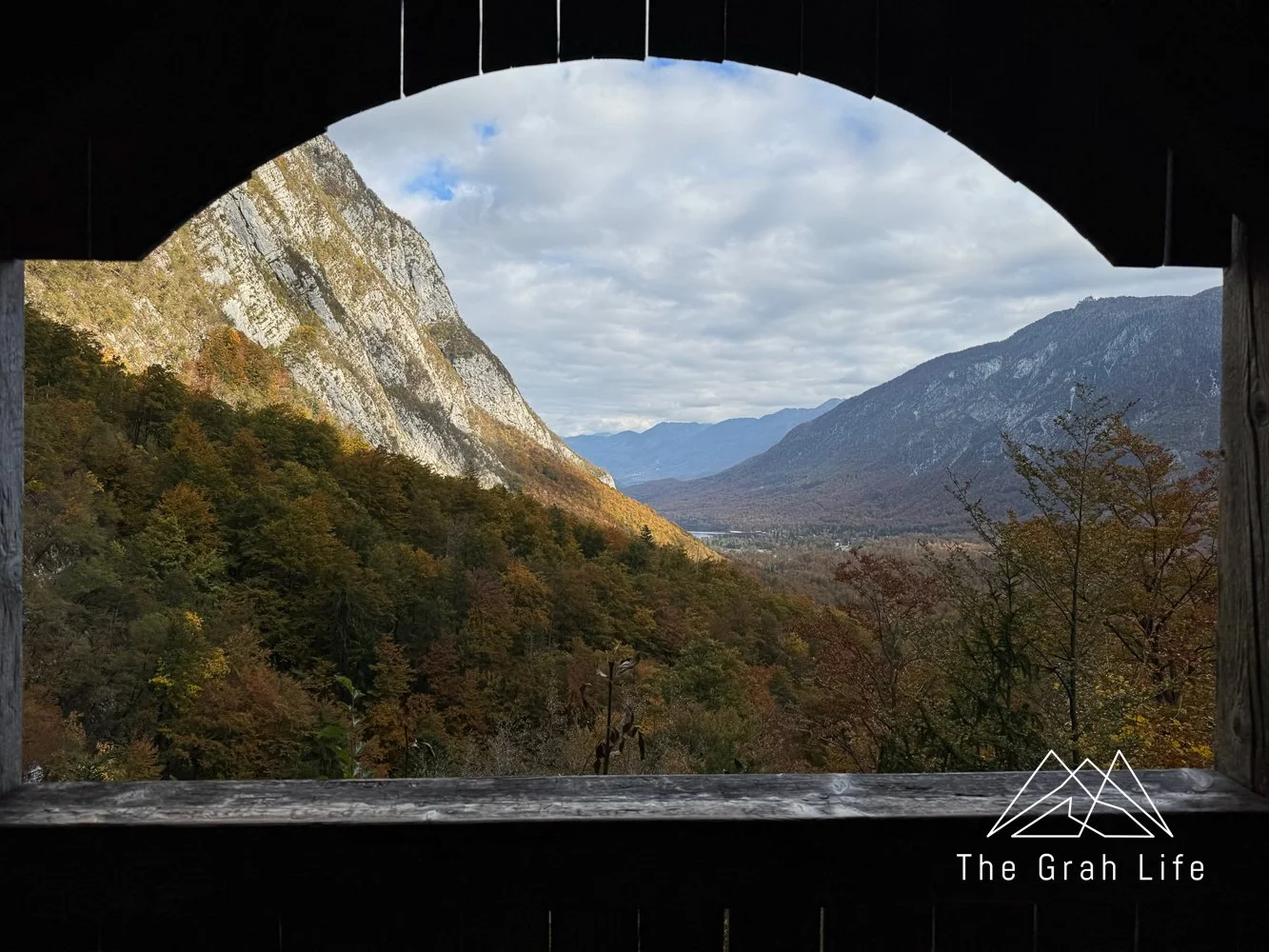
Gorges
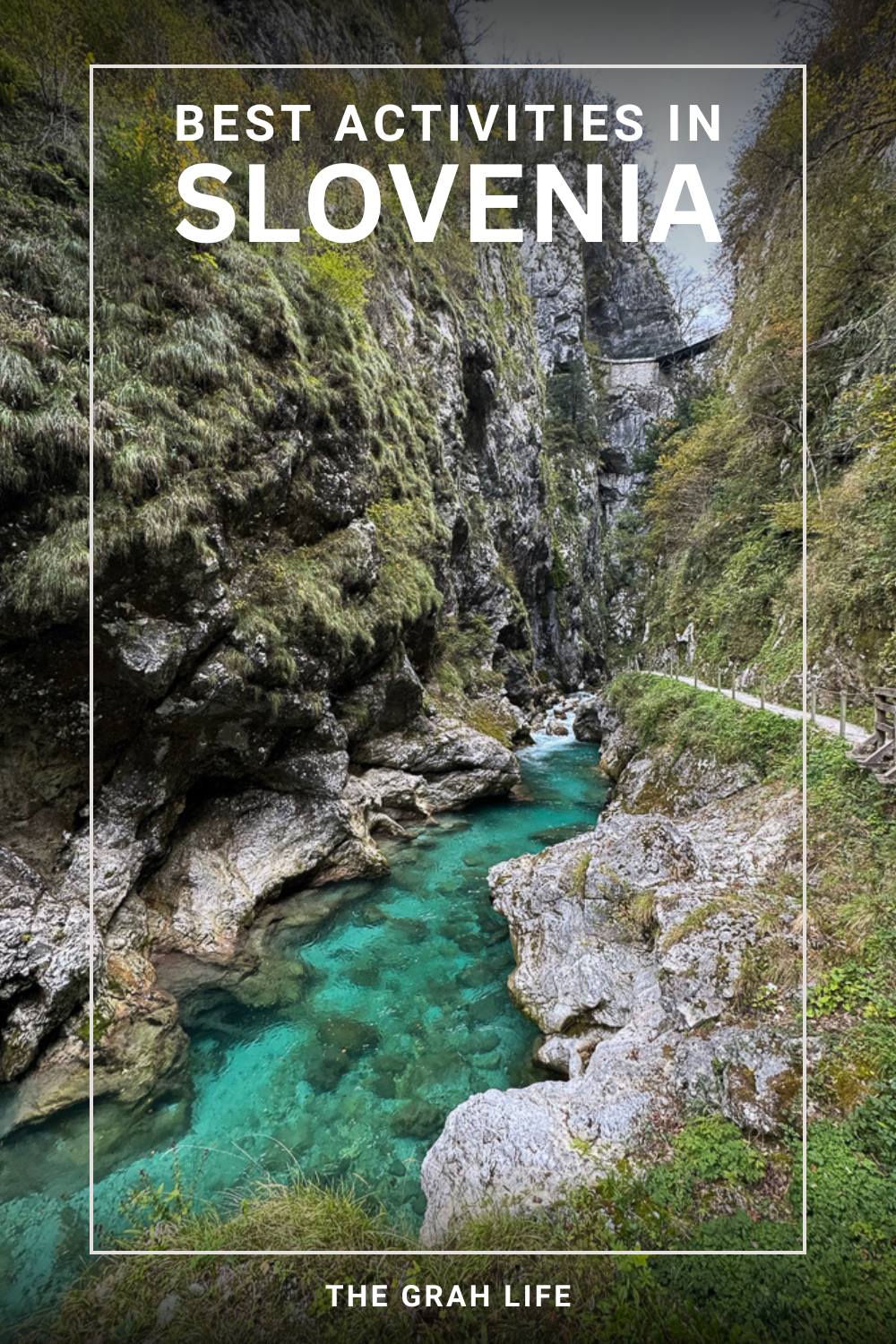
Triglav National Park is best known for its gorge hikes, including Vintgar, Tolmin, and Mostnica Gorges. Vintgar Gorge and Tolmin Gorge are seasonal and typically close between late fall and early spring, while Mostnica Gorge is accessible year-round. All three feature well-marked trails with boardwalks, bridges, and waterfalls. Buy timed entry tickets in advance if you’re planning to visit Vintgar and Tolmin Gorges during peak season.
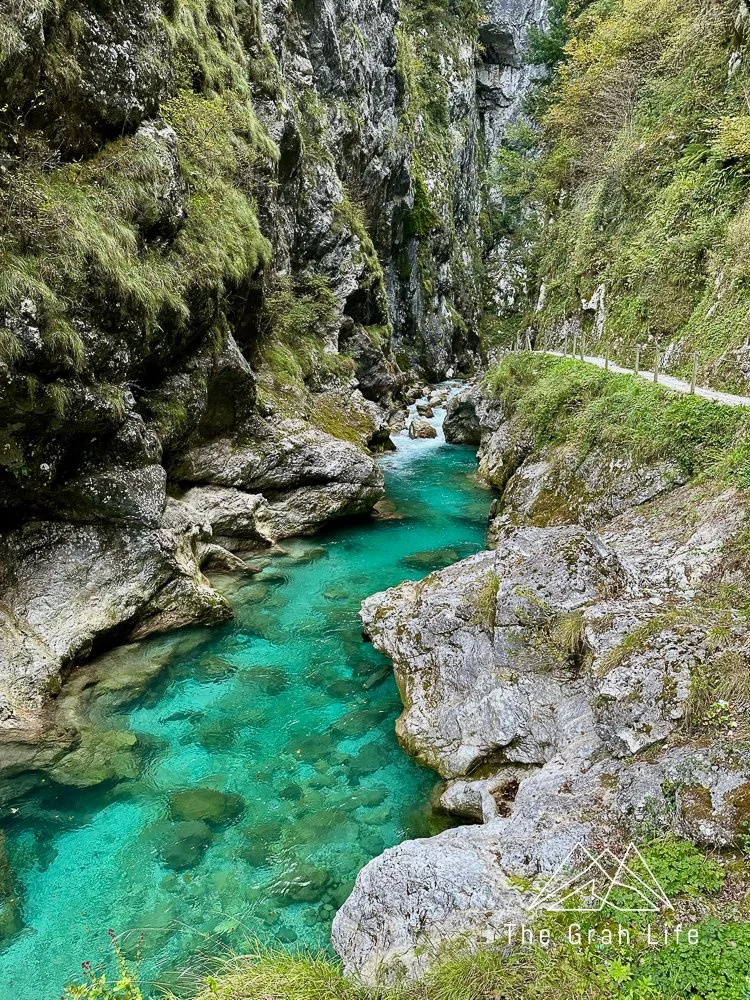
Vršič Pass
Driving over Vršič Pass is a highlight of Triglav National Park. The road connects Kranjska Gora to the Soča Valley and includes 50 hairpin turns with frequent viewpoints. The pass is typically open from late spring through fall, depending on snow conditions. It’s a slower drive, but one of the most scenic routes in Slovenia.
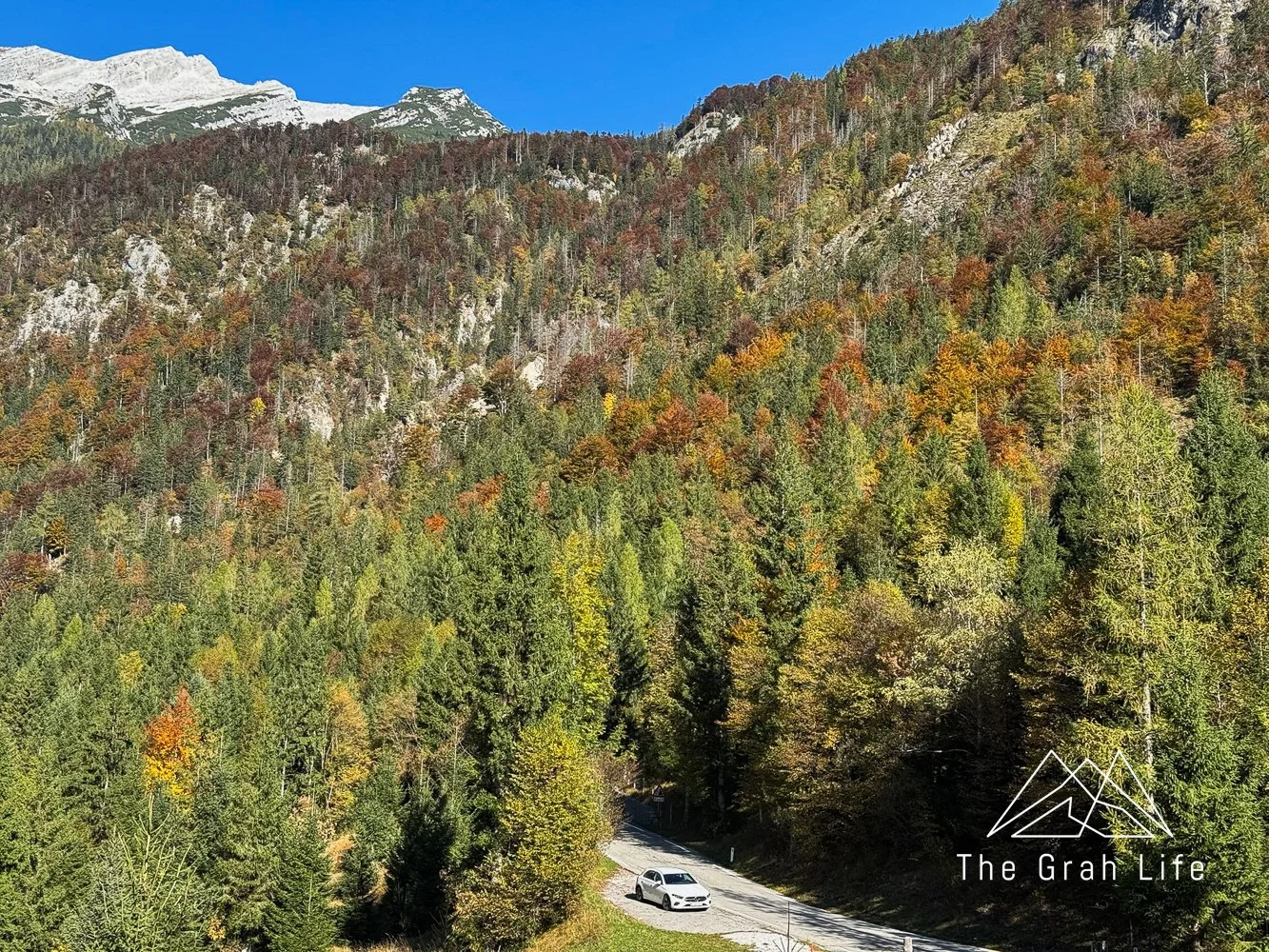
Logar Valley
The Logar Valley Landscape Park is located in northern Slovenia, near the Austrian border, within the Kamnik–Savinja Alps. It’s a long, glacial valley known for alpine scenery, open meadows, and dramatic mountain backdrops.
Visit between spring and fall to enjoy the flat walking and cycling path that runs through the valley, or hike to viewpoints and waterfalls. In winter, access is limited but the area is still popular for snowshoeing and cross-country skiing.
Vogel Cable Car
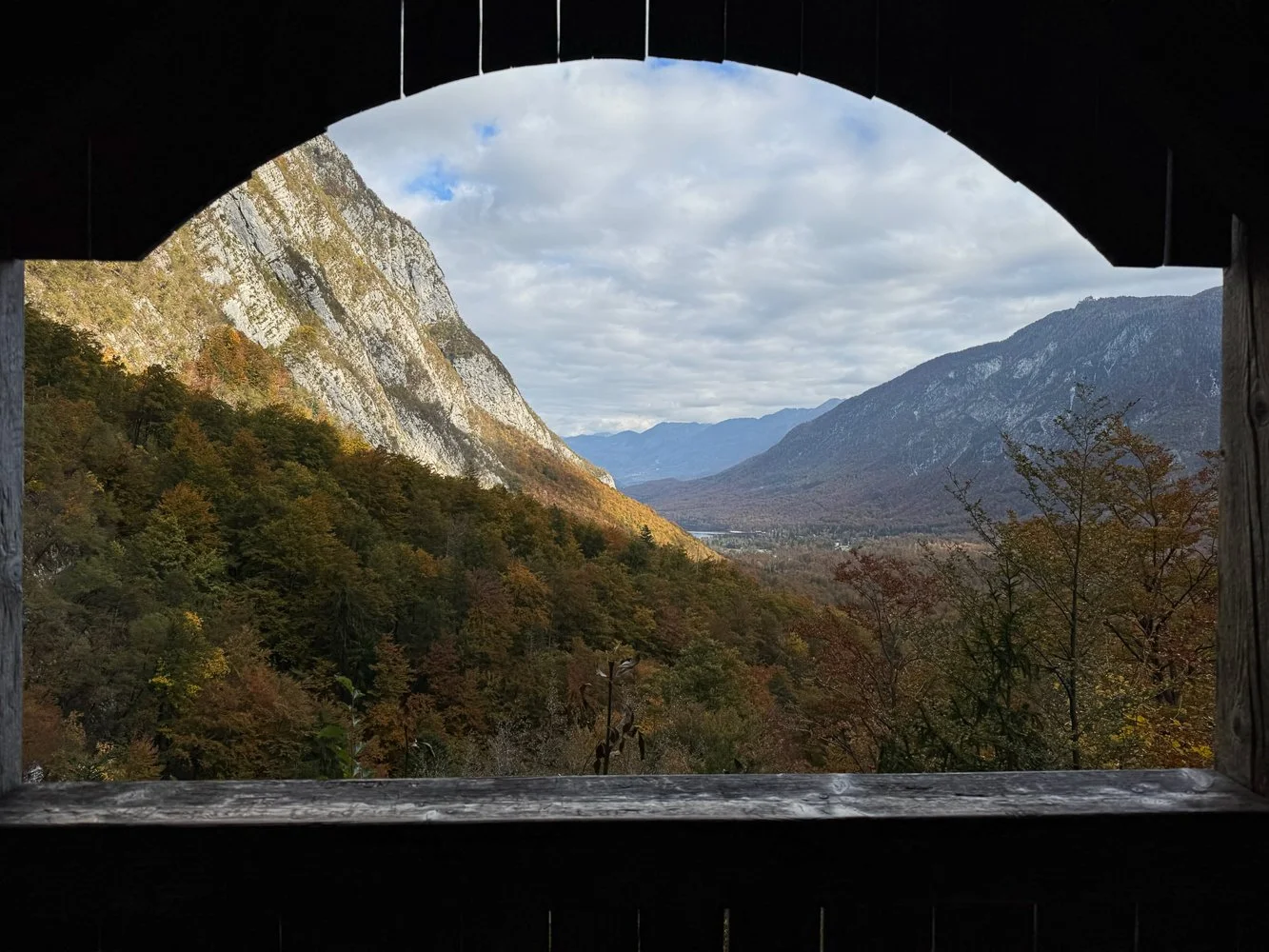
Located at Lake Bohinj, the Vogel Cable Car takes you into the Julian Alps, where you’ll have wide views over the lake and surrounding peaks. Once you reach the top, you can choose to ride a chairlift further up the mountain, hike, or paraglide in the summer months, or ski or snowshoe in winter.
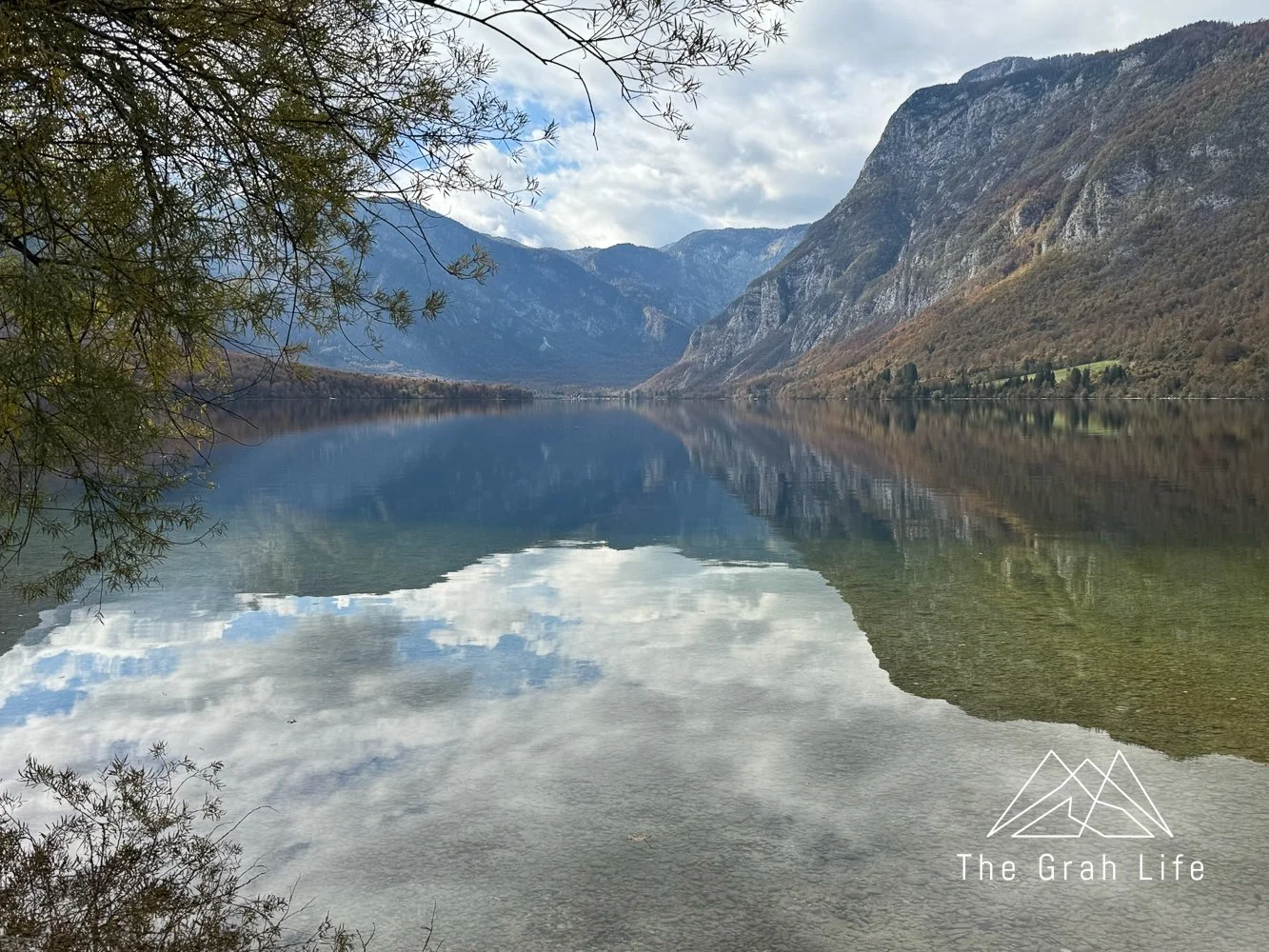
Lake Bohinj
Wine tasting
Wine tasting in Slovenia is best in regions like Goriška Brda, the Vipava Valley, and Maribor, where you’ll find the oldest grape vine in the world. Wine season runs from late spring through fall, with September and October being especially popular during harvest. Many wineries are small and family-run, and most require reservations for tastings.
Castles
Slovenia has 90 preserved castles and more than 900 castle fortifications, including defensive features like walls, towers, and moats. Built between the 10th and 19th centuries, many are now open to visitors, housing museums, exhibitions, or cultural spaces.
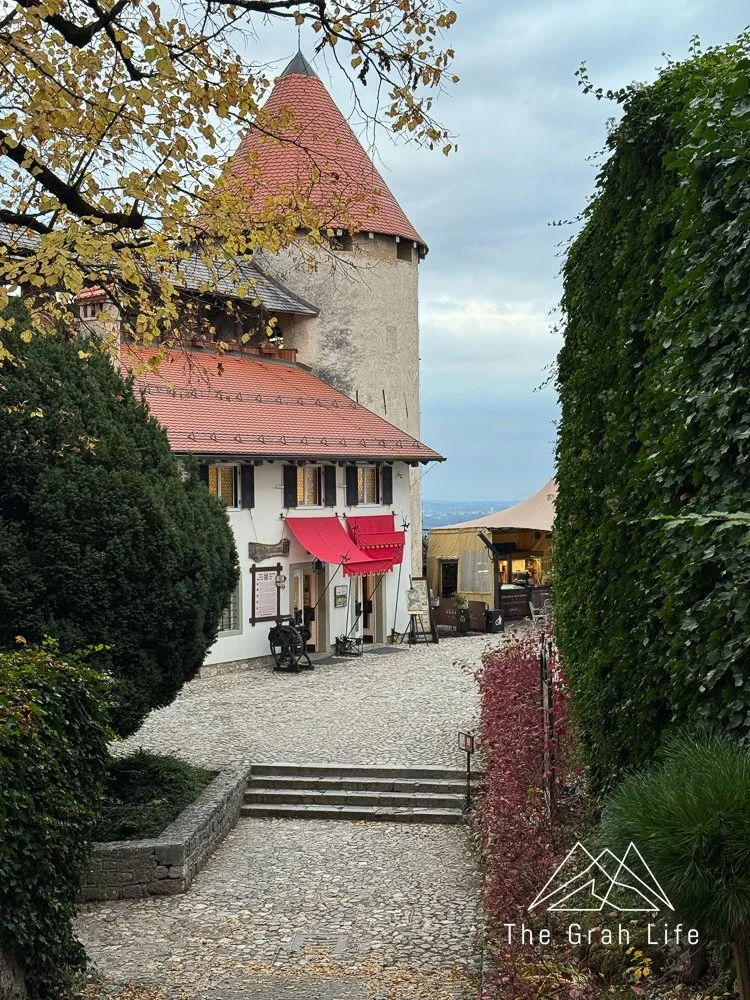
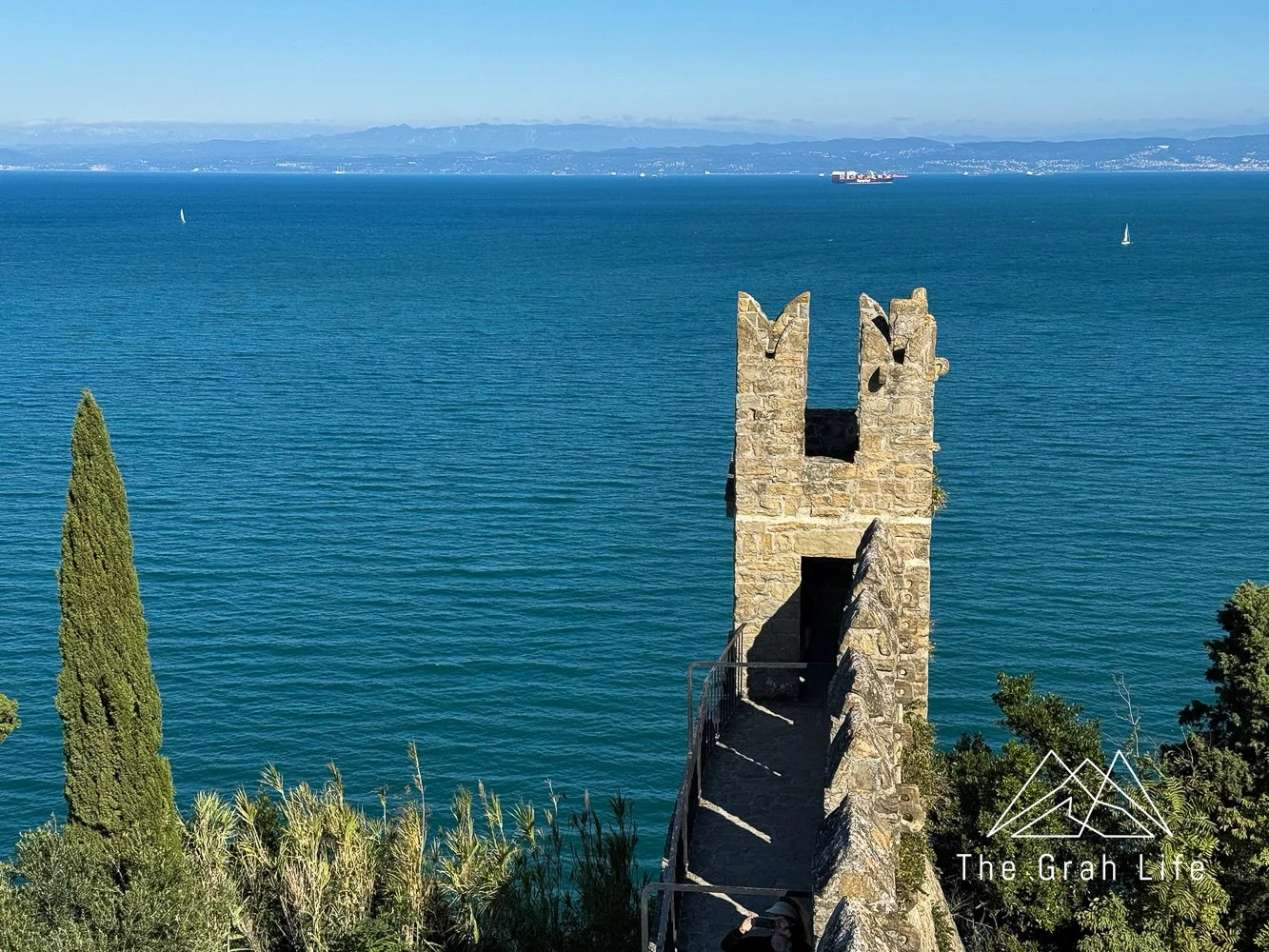
Bled Castle was our favorite, but we loved the Puppet Museum at Ljubljana Castle and the Piran Town Walls. Most castles are set in scenic locations, making them great additions to any trip.
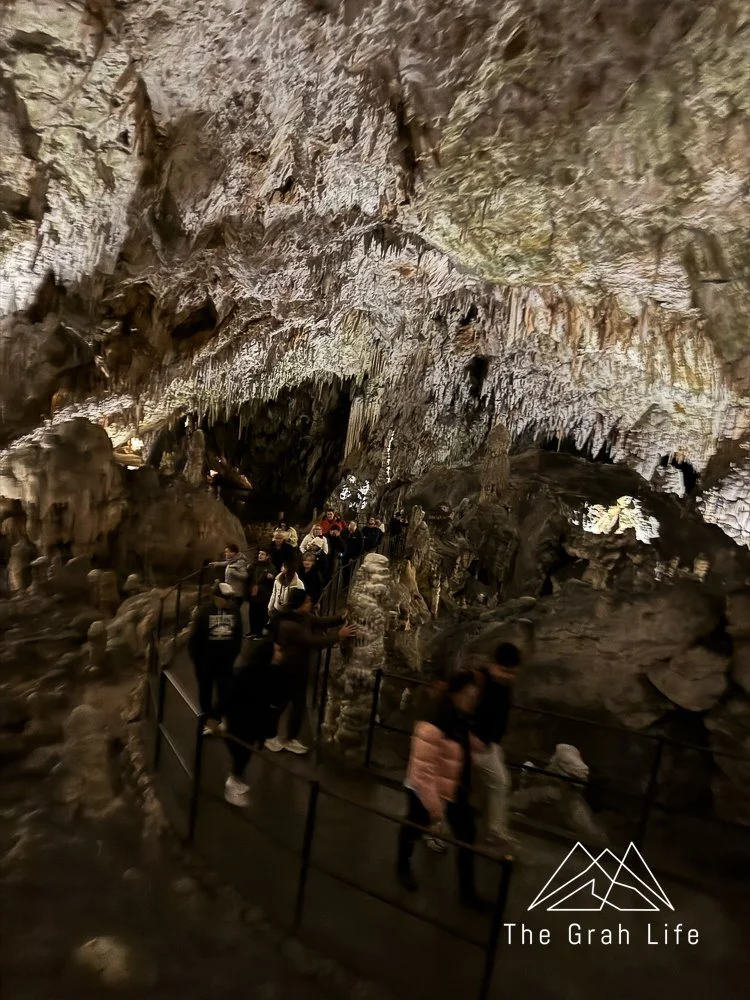
Postjona Cave
Postojna Cave was discovered in 1818 and opened to visitors just a year later, making it the world’s first cave developed for organized tourism. Today, it’s considered one of the largest cave systems in Europe, with more than 24 kilometers (15 miles) of passages.
Tours begin with a short electric train ride, followed by a guided walk through vast chambers and impressive formations. The cave stays a steady 10°C (50°F) year-round, so bring a jacket. Tours run year-round, but they can sell out during busy seasons.
Predjama Castle
We’re calling out this castle because the Predjama Castle is just a short drive from Postjona Cave. Both the castle and the cave tour take 90 minutes each. If you’d like to see both, plan to spend the whole day here. If you’re short on time, choose one.
The castle is built into the base of a cliff, and you can explore the castle’s rooms, tunnels, and defensive features, while learning about its medieval history and famous siege stories.
Škocjan Caves
Between May and September, tours of Škocjan Cave include a 5 km (3 mile) walk with roughly 1,000 steps, with the option to exit at the 3 km (1.8 mile) point after 500–800 steps. From October through April, only the shorter 3 km (1.8 mile) route is offered. The cave stays cool year-round, with an average temperature of about 12°C (54°F), so layers are helpful.
Photography is not allowed inside the cave, but you’ll see one of Europe’s largest underground canyons, massive chambers, and dramatic walkways carved into the rock. Tickets can sell out during the busy summer season, so booking ahead is recommended.
Compared to Postojna Cave, Škocjan Cave is more physically demanding, but it feels far more rugged and natural.
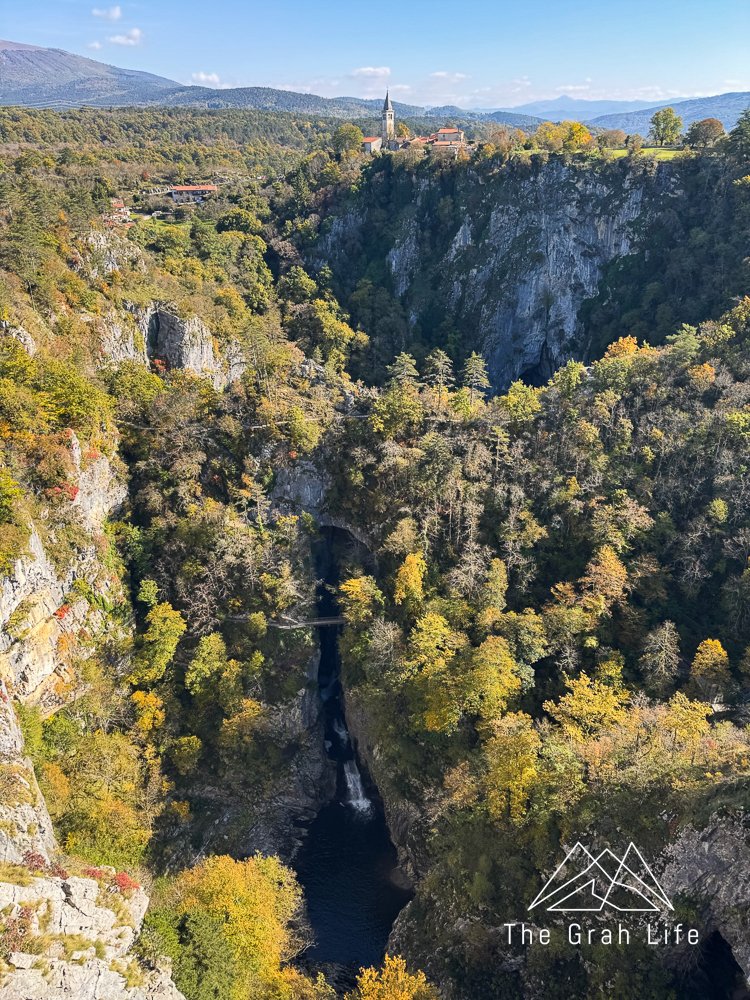
Viewpoint of the doline
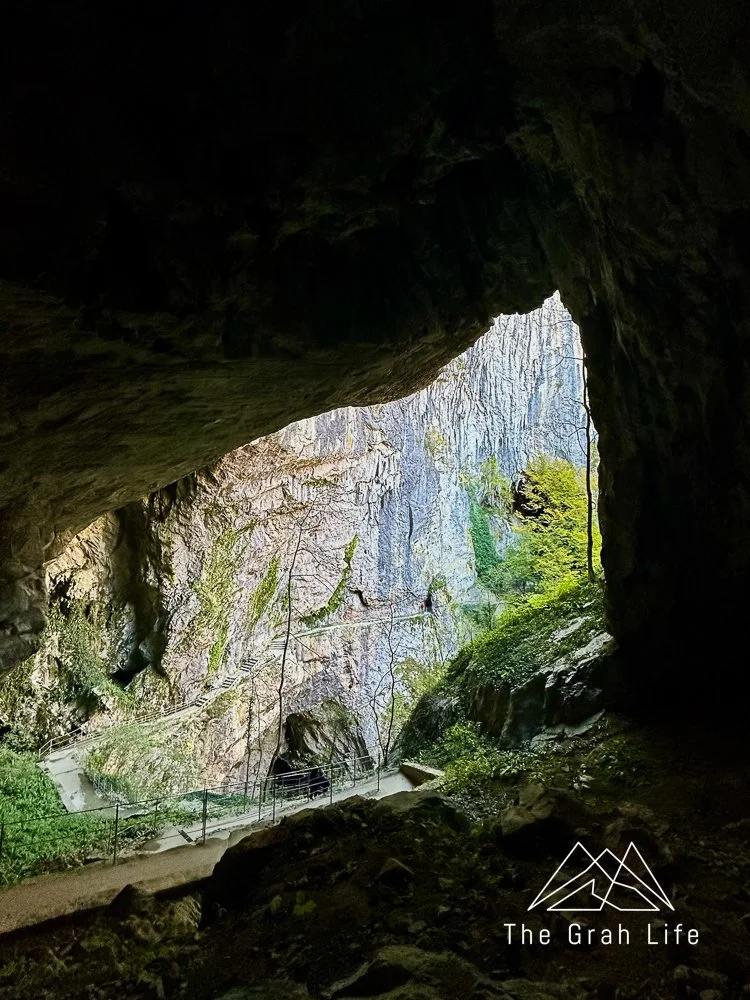
Pictures are allowed at the exit of the cave
Fishing
Fishing tours in Slovenia are popular from late spring through early fall. Try fly fishing on the Soča River, or go for calmer conditions and a wider range of species on Lake Bled or Lake Bohinj. Opt for a tour on the Adriatic Sea for bigger catches like tuna or dentex.
Mercury mine
You’ll find the Idrija Mercury Mine located in western Slovenia. It’s a UNESCO World Heritage Site and one of the oldest mercury mines in the world. Visitors can take guided underground tours that lead through historic tunnels, mining equipment, and displays explaining how mercury was extracted and used over centuries.
Tours are only available with a guide, tickets are timed, and advance booking is recommended during summer. Wear sturdy shoes and bring a light jacket.

Search the blog for more adventures! Try searching for topics such as “hiking”, “waterfalls”, or “Vietnam”.